info@pqconintelli.com

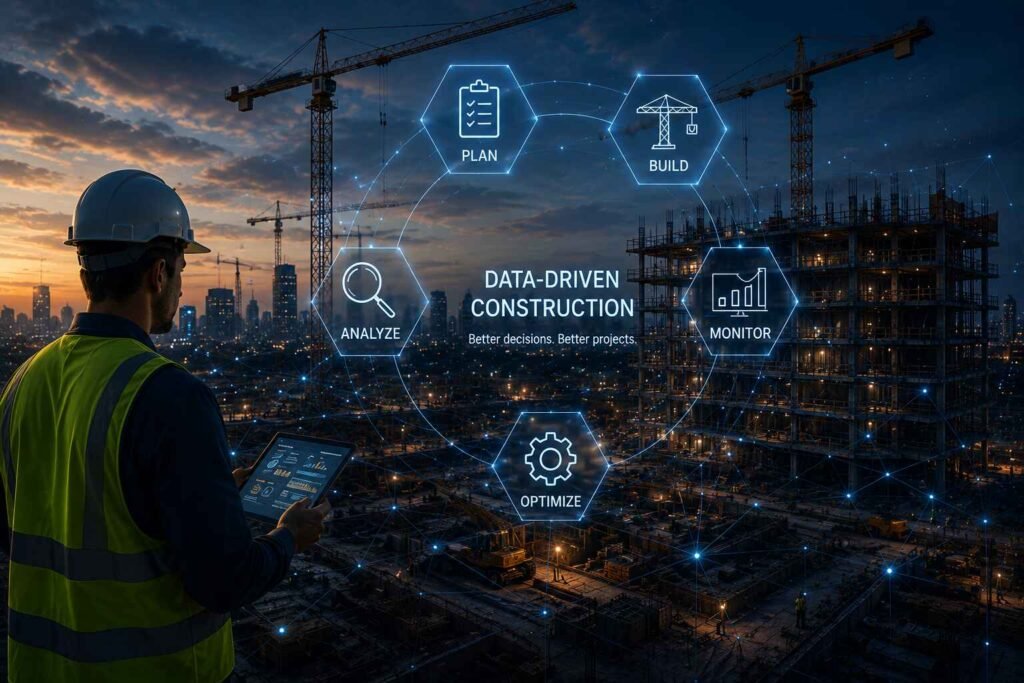
Construction companies do not need more disconnected solutions.
They need clarity about what matters, what should change, what should remain, what deserves investment, and what will create meaningful business value.
PQ Construction Intelligence™ partners with construction companies to strengthen operations, improve executive decision-making, modernize systems, adopt technology responsibly, and build businesses positioned for sustainable growth.
Our services bring together executive advisory, construction intelligence, operational improvement, artificial intelligence, digital transformation, automation, customer intelligence, and responsible governance.
One organization. Multiple business challenges. A more intelligent path forward.
Construction executives make decisions across an increasingly complex landscape of operations, people, customers, technology, risk, growth, and capital.
PQ provides an external strategic perspective for leaders navigating consequential business decisions.
Our role is not to make leadership’s decisions for them.
Our role is to strengthen the intelligence surrounding those decisions.
Owners, CEOs, presidents, senior executives, and leadership teams seeking a disciplined external perspective on important business decisions.
Assessment areas may include:
Organizations often begin transformation with solutions. PQ believes transformation should begin with understanding. Construction Intelligence Assessments™ provide leadership with a structured examination of critical dimensions of the organization to identify strengths, gaps, risks, opportunities, and areas requiring executive attention.
Evaluate organizational preparedness for responsible artificial intelligence adoption.
Examine how effectively current technologies, information, systems, and digital practices support the business.
Identify opportunities to strengthen workflows, reduce unnecessary friction, and improve organizational effectiveness.
Evaluate the alignment between technology investments and actual business requirements.
Examine key processes for inefficiency, fragmentation, duplication, unnecessary manual work, and improvement opportunities.
Evaluate selected governance, accountability, technology, AI, information, and operational risk considerations.
Examine the journey from prospect through client relationship to identify opportunities for stronger communication, consistency, visibility, and service.
The objective is to give leadership greater clarity about where the organization stands and where attention should go next.
Our work may include:
Every hour spent performing unnecessary repetitive work is an hour unavailable for higher-value activity.
Construction organizations frequently accumulate manual processes over years of growth:
Repeated data entry.
Internal notifications.
Information transfers.
Status updates.
Scheduling activities.
Reporting preparation.
Customer communication.
Approval routing.
And other repeatable workflows.
Routine document handling.
Administrative follow-up.
PQ examines where intelligent automation may reduce unnecessary administrative burden while maintaining appropriate human review and accountability.
The goal is appropriate automation where it creates value.
Some work should be automated.
Some work should be assisted by technology.
Some decisions should remain entirely human.
Knowing the difference is essential.
A construction company’s relationship with a client begins long before a contract is signed.
Without disciplined systems, valuable opportunities and important customer information can become fragmented across inboxes, spreadsheets, individual employees, notes, and disconnected applications.
PQ helps organizations strengthen how they manage the commercial and relationship side of the business.
The objective is not merely installing CRM software.
It is building a more disciplined, visible, and consistent approach to managing relationships and opportunities.
Growth creates complexity.
PQ examines operational environments to identify opportunities for greater clarity, consistency, visibility, and efficiency.
Areas may include:
We help leaders identify where the organization can operate more intelligently as it grows.


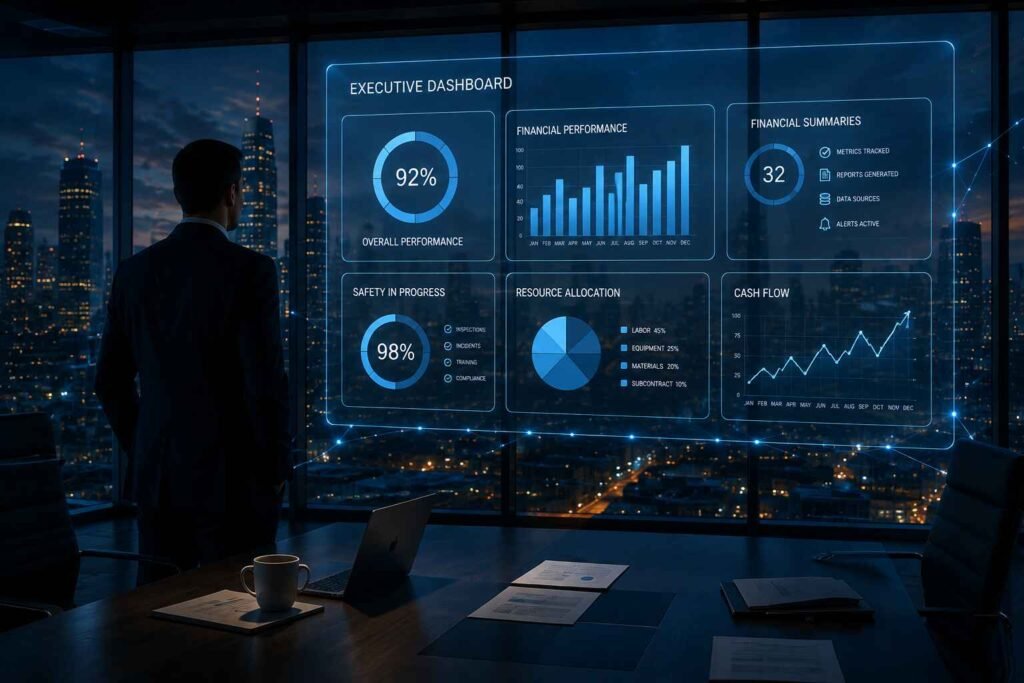
Artificial intelligence introduces powerful new capabilities into the workplace.
It also introduces questions many organizations have never needed to answer before.
PQ helps leadership develop a more disciplined approach to emerging technology and AI-related governance.
Areas may include:
Strong governance allows organizations to pursue innovation with greater confidence.
Artificial intelligence and digital transformation are increasingly becoming executive responsibilities.
PQ provides executive-focused education designed to translate complex technology and transformation topics into business language.
Programs may include:
Our goal is executive confidence—not technical overload.
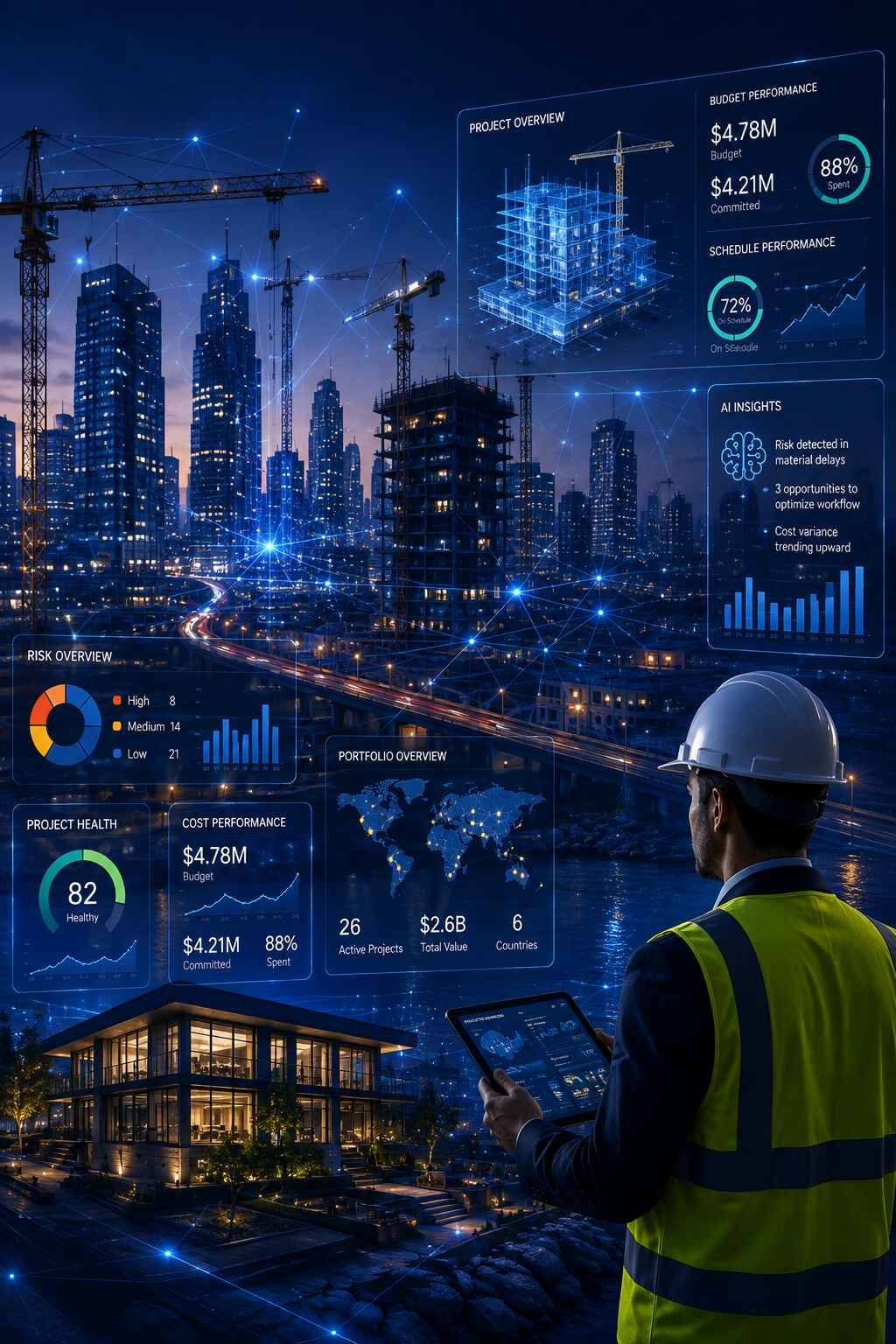



Understanding the problem is only the beginning.
Organizations also need to determine:
PQ develops strategic roadmaps designed to translate intelligence into prioritized direction.
Rather than attempting to transform everything simultaneously, organizations can move forward with greater discipline and sequencing.
It is a series of deliberate decisions.
PQ services can be structured around the needs and maturity of the organization. The appropriate engagement begins with understanding what leadership needs to accomplish.
Focused engagements addressing defined leadership questions, strategic decisions, or business priorities.
Structured examinations designed to establish greater clarity around current conditions, opportunities, gaps, and priorities.
Broader initiatives focused on modernization, process improvement, AI adoption, automation, CRM, technology, or organizational capability.
Continued strategic support for leaders navigating evolving priorities, implementation decisions, technology developments, risk, and organizational growth.
Focused leadership education and facilitated strategic conversations around AI, technology, governance, modernization, and construction intelligence.
Our responsibility is to the strength of the business—not to a particular platform, trend, or technological fashion.
Depending on the organization and engagement, stronger construction intelligence can contribute to:
Greater Executive Visibility
Leadership gains a clearer understanding of important business conditions and priorities.
Stronger Decision-Making
Decisions are supported by better information, broader context, and more disciplined evaluation.
Operational Clarity
Processes, responsibilities, information flows, and improvement opportunities become easier to understand.
Reduced Administrative Friction
Appropriate automation and process improvement can reduce unnecessary repetitive work.
Better Technology Alignment
Technology investments become more closely connected to business requirements.
Stronger Customer Management
Commercial opportunities and client relationships can be managed with greater consistency and visibility.
More Responsible AI Adoption
Organizations can pursue AI opportunities while giving appropriate attention to governance, human oversight, information protection, and accountability.
Greater Organizational Readiness
Leadership gains a clearer path for modernization, growth, and future change.
Perhaps growth is creating operational strain.
Perhaps your technology environment has become fragmented.
Perhaps you know AI matters but do not know where it belongs.
Perhaps your organization is performing well, but leadership lacks the visibility it should have.
Perhaps manual processes are consuming too much time.
Perhaps the customer journey needs greater discipline.
Perhaps you are preparing the company for its next stage of growth.
Or perhaps you simply know:
That is enough to begin the conversation.